One of the most common questions I receive from independent filmmakers is this: how do I market my film and where do I start?
Before I answer that, I want to talk about a film that broke almost every rule I teach, and still became one of the biggest box office openings of 2026.
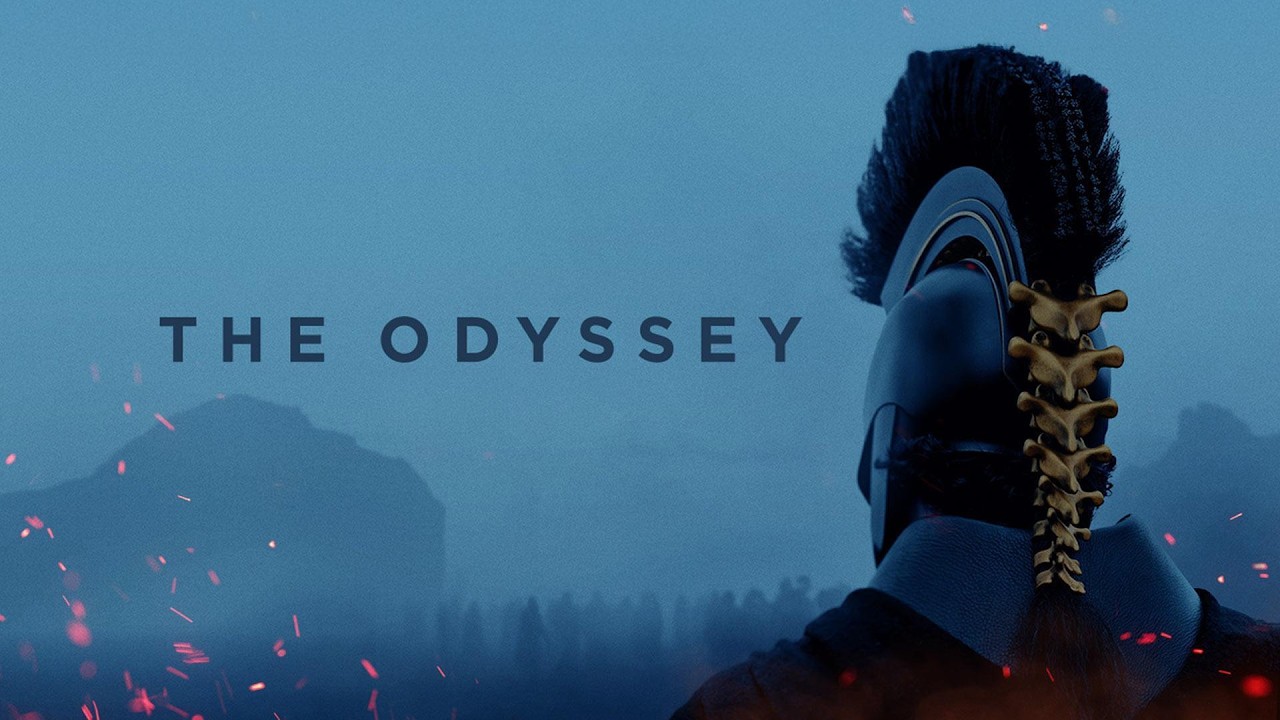
Christopher Nolan shot The Odyssey entirely on IMAX cameras. Every single scene. The camera, a new model called the Keighley that IMAX built specifically for this film, weighs 180 kilograms and holds exactly three minutes of footage. Which means every three minutes across a 91-day shoot in six countries, they had to stop everything, reload, and start again. With a camera that weighs as much as a small car.
You can only see this film the way Nolan intended in 41 locations worldwide. Tickets went on sale a full year before the July 17, 2026 release date. They sold out within hours.
The Odyssey opened to $124 million domestically and $264 million worldwide in its opening weekend, Nolan's biggest debut ever. The 41 IMAX 70mm screens generated $52 million of that total, representing 20% of the worldwide gross from less than 1% of screens.
Now here is what makes this story interesting from a marketing perspective.
Nolan and Universal Studios Broke the Rules
Everything I tell independent filmmakers about marketing starts with the same principle: begin as early as possible, build your audience before the film is finished, create content and awareness from day one.
The Odyssey did the opposite.
While most studios release photos, teasers, and multiple trailers months in advance, Universal kept footage offline for as long as possible. The star-studded cast- Matt Damon, Tom Holland, Anne Hathaway, Zendaya, Charlize Theron, Lupita Nyong'o, Robert Pattinson- generated press coverage simply by existing.
There were no traditional marketing materials in the early months. What there was was a single, extraordinary fact that spread everywhere on its own: you can only see this film in 41 places in the entire world, and tickets are already on sale.
That is not a marketing campaign. That is a masterclass in scarcity.
The limitation became the campaign. The exclusivity created the desire. And then word of mouth did the rest. People who had not thought about watching the film started watching it because everyone around them was talking about it. That is FOMO at a scale most studios can only dream of, and it was engineered through a single creative and distribution decision made long before the cameras rolled.
But before you decide to withhold all your marketing materials and wait for the world to come to you, let me be very direct about something.
Nolan and Universal Studios could do this because he is Christopher Nolan. He has Oppenheimer behind him. He has Universal's full financial and distribution weight behind him. He has a $250 million budget, a cast of global superstars, and decades of earned audience trust. The strategy worked because everything else was already in place.
Every film is different, and every film needs its own marketing strategy. What worked for The Odyssey will not automatically work for your film, especially when your film might be low budget or without A-list talent, but there is a principle inside this story that applies to every filmmaker at every budget level, and it is this: strategy means everything when selling and promoting a film.
The Question Is Not How. It Is Where to Start.
Most filmmakers spend their energy asking how to market their film. The better question is where to start, because without a clear starting point, marketing becomes a series of disconnected actions that exhaust you without building anything real.
Here are three steps to start with.
Step 1: Find your target audience
Before you create a single piece of content, before you open a social media account for your film, before you write a press release, you need to know exactly who your film is for. Not in a general sense. Not "people who like good films." Specifically. What do they watch, where do they spend their time online, what communities do they belong to, what would make them feel that your film was made for them personally.
This is the foundation of everything. Without it, every marketing decision you make is a guess.
Step 2: Build your marketing strategy
Once you know your audience, you can build a strategy that is specific to your film. What platforms make sense for this audience? What kind of content will they respond to? What is the story of your film that will make them want to be part of it before it is finished? What is your release strategy and how does your marketing support it?
A marketing strategy is not a posting schedule. It is a plan that connects your audience to your film from the moment it exists through every stage of its life, from production through release and beyond.
The Odyssey's strategy was built around scarcity and exclusivity. Your strategy might be built around community, or around a specific cultural moment, or around the story of how the film was made. What matters is that it is intentional and specific to your film.
Step 3: Start creating awareness and FOMO
FOMO, the fear of missing out, is one of the most powerful forces in marketing, and it does not require a $250 million budget to create. What it requires is making people feel that something is happening that they do not want to be left out of.
The Odyssey created FOMO by making the experience genuinely exclusive. 41 screens worldwide. Tickets on sale a year in advance. Sold out within hours. A camera built specifically for this film. Every one of those details made people feel that this was not just a film; it was an event.
For independent filmmakers, FOMO looks different, but the principle is the same. Behind-the-scenes content that makes your audience feel like insiders. Limited early access screenings for your community. A countdown to a premiere that people have been waiting for. A crowdfunding campaign that makes early backers feel like founding members of something. The tools are different, but the goal is identical: make people feel that being there matters.
What The Odyssey Actually Proves
The Odyssey is not a model for independent filmmakers to copy. It is an example of what becomes possible when every decision, from the camera you shoot on to the number of screens you open in, is made as part of a coherent strategy.
Nolan did not accidentally end up with 41 screens and a year of advance ticket sales. He made a creative demand, IMAX built a camera to meet it, and Universal built a release strategy around that camera. The creative decision and the marketing decision were the same decision.
That is what I mean when I say marketing is not what you do after the film is finished. It is built into every creative decision you make. The format, the experience, the story of how the film was made, all of it is marketing. The Odyssey just made that visible on the largest possible scale.
For your film, the question is not how to replicate what Nolan did. The question is what creative and strategic decisions you can make right now, at whatever stage you are at, that will make your film impossible to ignore when the time comes.
That starts with knowing your audience, building a strategy that is specific to your film, and creating the kind of awareness that makes people feel they cannot afford to miss it.
If you do not know where to start, that is exactly what Ramiro AI is built for.