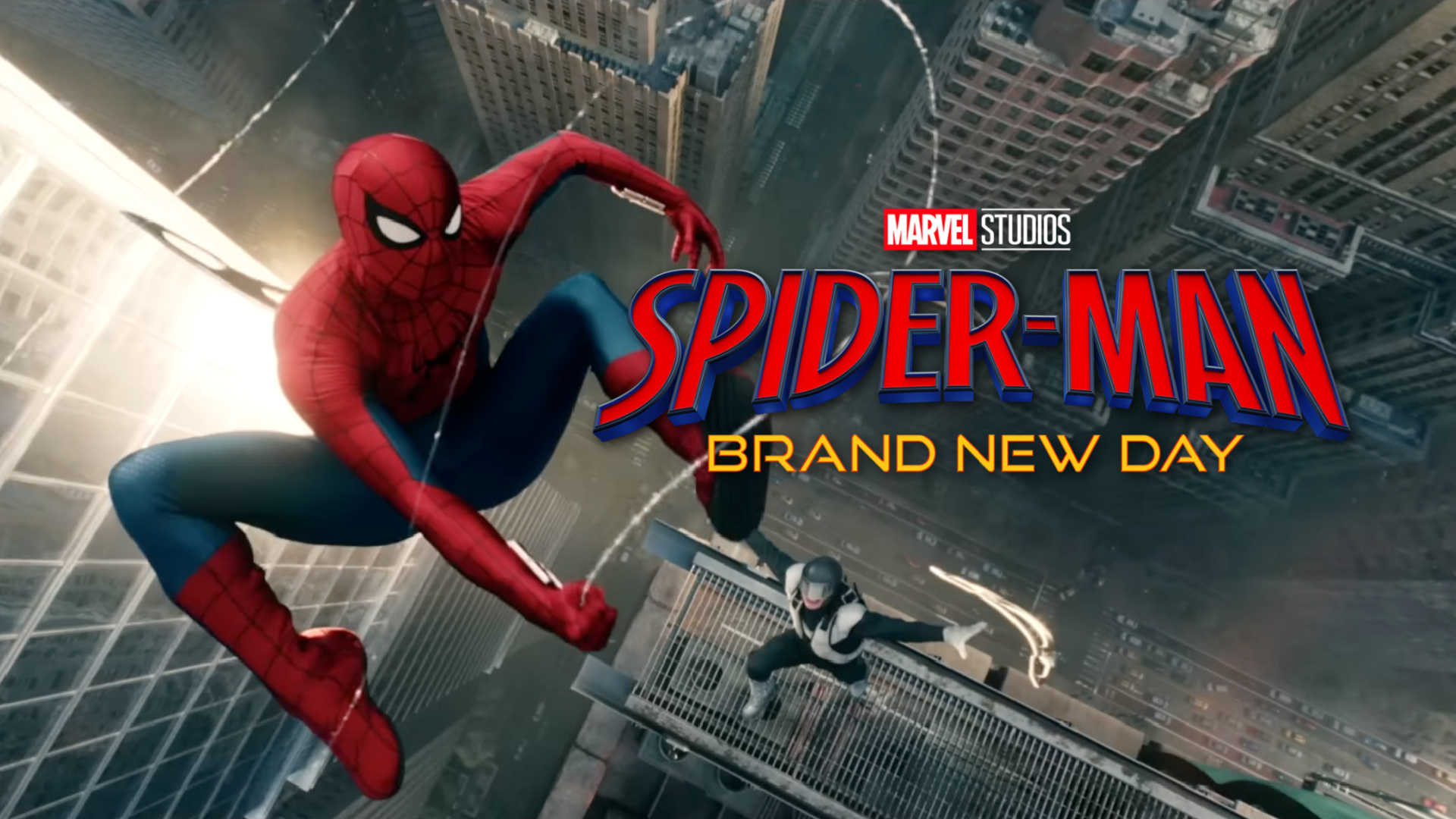
Who said superhero films are over?
Spider-Man: Brand New Day opened to $927 million worldwide in its opening weekend, the second biggest global opening in cinema history behind only Avengers: Endgame. It earned a 98% audience score and is on track to become the highest-grossing film of 2026. But the box office is not the most interesting marketing story around this film.
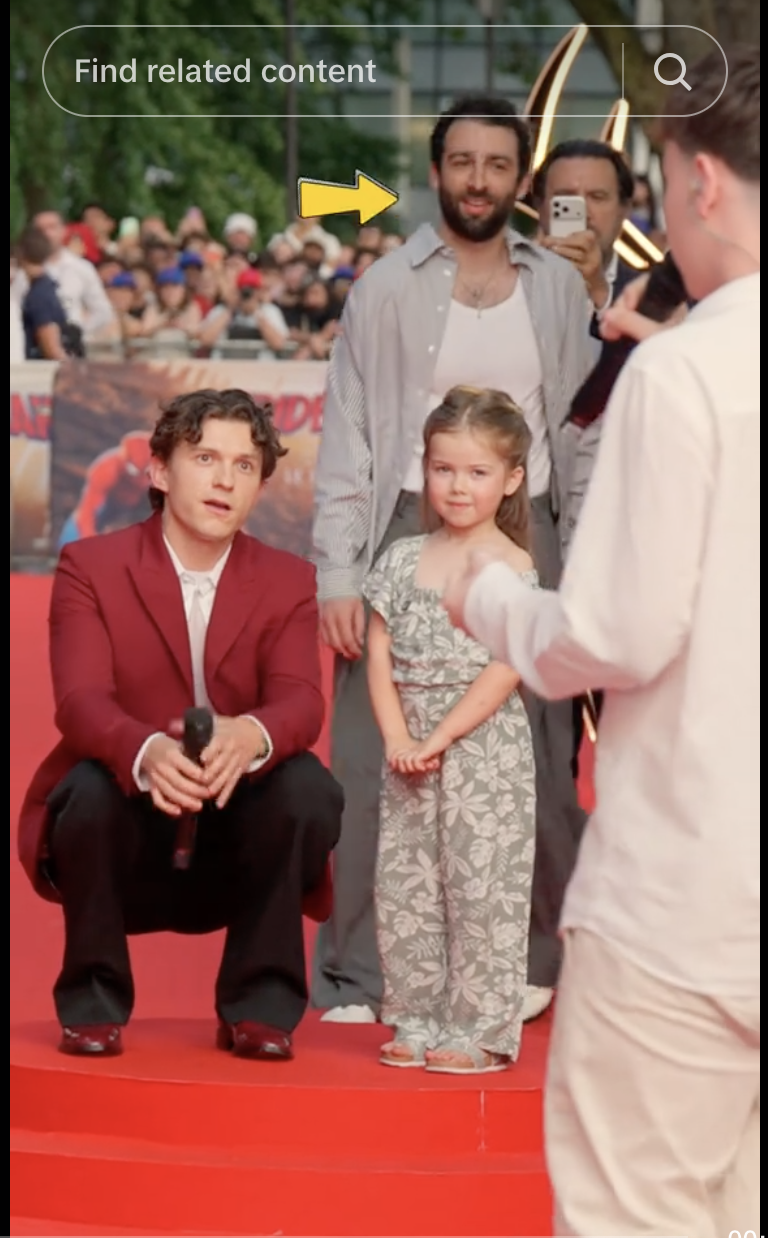
At the Parisian premiere of Spider-Man: Brand New Day, something happened: the most unconventional collaboration that caught Zendaya and Tom Holland by surprise.
A French pianist named Julien Cohen walked in with singers and musicians and performed Titanium live while Tom Holland, Zendaya, and the rest of the cast watched, completely unprepared. The video got 44 million views in one day and more than 7 million likes on TikTok.
Everyone who saw it live probably thought it was a spontaneous moment. It was not.
That was a collaboration between a major studio and a creator with a very specific talent and a very engaged audience. Julien Cohen has a signature format built around creating genuine emotional reactions in real time. The team behind Spider-Man: Brand New Day understood exactly what they were inviting into that room, and got everything on video to reuse the content.
The collaboration was the marketing. The moment was the campaign.
Watch the video here
What Most Filmmakers Miss When They See This
When independent filmmakers watch a collaboration like that, most of them think: I don't know how to do that. I do not have Tom Holland. I do not have a premiere. I do not have Sony behind me.
But the lesson is much simpler than that.
Julien Cohen created a moment with the audience and the talent. Sony created the conditions for the moment to happen by identifying a creator whose audience, whose format, and whose emotional signature aligned perfectly with what they wanted people to feel about their film. The studio provided access. The creator provided everything else.
You do not need a $200 million film to think this way. You need negotiation skills and the creativity to identify which creators share your film's world: A musician. A visual artist. A community figure. A content creator whose audience is already the audience your film is trying to reach.
That is the entire strategy. Find the person or people whose audience is your audience, and create something meaningful for both of you.
This Is Not New. It Has Always Worked.
I have worked in film marketing and distribution for 18 years, and collaborations with creators and influencers have been part of how films build audiences long before TikTok existed.
On one of the films I worked on, we built a network of Instagrammers to promote the release. They each posted using a specific hashtag, created memes using the film's content, and posted simultaneously multiple times over two weeks. The film became a trending topic for two weeks straight.
The film was Spring Break. The strategy cost significantly less than a traditional media buy and generated more sustained conversation than most campaigns ten times the budget.
More recently, one of my previous clients collaborated with a singer for his film. The singer gave a song for the soundtrack, and the filmmaker directed the music video in return; we are talking about an artist who has been on SNL.
The singer got a professionally directed music video for his content. The filmmaker got original music, a built-in audience of the singer's followers, and a marketing asset that lived far beyond the release date. Both parties got something real out of it.
The Ramiro AI Angle: Creators Who Become Subscribers
When we started inviting creators to try Ramiro AI, we gave selected creators free access to the platform and asked for their honest feedback on video. No script, just their real reaction.
One of those creators was a filmmaker. She used the platform, made the video, and liked what she found enough to stay. She became a paying subscriber after the collaboration ended. It is what happens when you invite the right person into something genuine and let them speak for themselves.
That is exactly the principle behind the Spider-Man moment. Authenticity is not something you manufacture. It is something you create the conditions for.
How to Actually Do This as an Independent Filmmaker
The biggest mistake filmmakers make with creator collaborations is not starting the conversation at all because they assume the answer will be no. The second biggest mistake is giving up after one message goes unanswered.
Creators do not always respond immediately. Their inboxes are full. Their attention is divided. Persistence matters- not aggressive persistence, but consistent, respectful follow-up that shows you are serious about the collaboration and that you have a real idea, not just a request for free promotion.
Here is how to approach it:
Start with the right person, not the biggest person. A creator with 50k deeply engaged followers in the exact niche your film speaks to is worth more than a creator with 2 million followers who have nothing to do with your story. Look for alignment first. Audience size is secondary.
Come with an idea, not a request. The difference between a pitch that gets a response and one that gets ignored is whether you have thought about what is in it for them. A filmmaker has skills a creator often needs. You know how to make videos. You understand lighting, pacing, storytelling. An exchange of skills, a collaboration built around something the creator genuinely wants to make, is far more compelling than "can you post about my film."
Think about what you can create together, not what they can do for you. The Spider-Man moment worked because Julien Cohen got to do what he does best, in front of one of the most famous casts in the world, and walk away with content that got 44 million views. The value flowed both ways. Your collaboration needs to do the same.
Have a budget for it. Not every collaboration is a pure exchange. Some creators will want to be paid, and that is legitimate. Build this into your marketing budget from the beginning, not as an emergency expense when the film is already finished.
The Three Questions to Ask Before You Reach Out
Before you contact any creator, answer these three questions:
- Who is their audience and is it the same audience my film is trying to reach? If the answer is not a clear yes, keep looking.
- What can I offer them that they genuinely want? Think about skills, access, content, credit, and budget. You can even search their content, and you probably find your answer.
- What is the moment we could create together that neither of us could create alone?
That last question is the most important one. The Spider-Man video worked because neither Sony nor Julien Cohen could have made that video without the other. Find the collaboration where both parties need each other, and you will find the moment that people share. Even better, find a collaboration that lasts for many years, and that creator can be part of your pool of influencers.
Where Ramiro AI Comes In
Knowing you need a creator collaboration is one thing. Knowing which creators to approach, what kind of influencers align with your film's specific audience, and how to build a strategy around those collaborations is a different challenge entirely.
Ramiro AI can help you identify the right type of creators for your film, build the outreach strategy, generate ideas for what that collaboration could look like, and develop the marketing plan that ties it all together. You bring the film and the vision. Ramiro AI helps you figure out who else should be in the room.
Try it for free!